
.2606041500451.png)
Florida is one of the largest boating markets in the world. With more than 900,000 registered vessels and hundreds of marinas dotting both coastlines, the marine industry is a major part of Florida's economy. That also means it is a major target for the Florida Department of Revenue ("FL DOR"). If you own a marina, run a boat repair shop, sell marine parts, or provide services to vessel owners, the Florida sales and use tax rules that apply to your business are complicated – and the penalties for getting them wrong can be severe. This article is designed as the official comprehensive guide to give marine industry business owners a clear understanding of how Florida sales and use tax applies to boat repairs, parts, labor, and related services.
THE GENERAL RULE: REPAIRS TO TANGIBLE PERSONAL PROPERTY ARE TAXABLE
In Florida, the repair of tangible personal property is a taxable transaction. A boat is tangible personal property – it is personal property that can be seen, weighed, measured, and touched. That means when a marina or boat repair facility charges a customer for repairing a vessel, both the parts used in the repair AND the labor charge for performing the repair are subject to Florida sales tax. See Section 212.05, Fla. Stat., and Rule 12A-1.006, F.A.C.
This is one of the most common misconceptions we see from marine industry clients. Many boat repair businesses believe that if they separately state the labor on the invoice, the labor becomes non-taxable. That is NOT the law in Florida. Unlike real property improvement contractors – who generally owe tax only on the materials they use rather than the labor – a boat repair shop is repairing tangible personal property, which means the entire charge to the customer (parts plus labor) is subject to Florida sales and use tax. If your shop has been collecting tax only on the parts and ignoring the labor, you have a significant exposure that the FL DOR auditor will find quickly.
One of the reasons I am writing this article is that I received over a dozen calls in the last month from people in the marine industry who 1) got a sales tax audit notice and 2) were not collecting sales tax on the labor chargers. The FL DOR gets a report from your credit card companies on how much your credit card sales are per month. When you only put the part sales on your sales tax return, it is a huge red flag to be audited.
DO I PAY TAX WHEN I BUY PARTS FOR REPAIRS?
When a marine repair facility purchases parts and materials to use in repairs for customers, those purchases are exempt from tax under the sale for resale exemption. The expectation is that your facility will collect sales tax from your customer on the full price of the repair. So, sales tax is imposed once to the final consumer, at least theoretically.
When you buy materials that you will use in making repairs, but that will not be going into your customer’s boat, then your company is considered the final consumer of those materials and you should pay sales tax when you buy those materials. Also important – keep the records that you paid the tax or the sales tax auditor will try to tax you again!
MARINA SERVICES: WHAT IS TAXABLE AND WHAT IS NOT?
Marinas often provide a wide range of services beyond simple boat repair, and the sales tax treatment varies depending on the type of service:
Boat Storage and Dockage: While Florida's commercial rental tax was repealed effective October 1, 2025, the rental of a slip, dock, or mooring in Florida is subject to Florida sales tax under a completely different statute, Section 212.03(6), Fla. Stat. However, and this is a big however, high and dry boat storage is considered a “bailment” which is not subject to Florida sales tax according to Rule 12A-1.070(22)(s), F.A.C. There is a little question whether this rule is valid considering the rule was about commercial rent tax statute and not the boat storage statute. Forgive me letting you down on the “giving you simple answers” promise, but this is one of those little more dangerous areas of ambiguity under Florida sales tax law that has not been completely resolved.
Boat Cleaning and Detailing: Boat cleaning and detailing are generally not specifically enumerated as taxable services in Florida. However, if the cleaning service involves the application of any materials (and we do mean ANY materials) – such as wax, polish, or antifouling paint – the answer changes. If the cleaning company provides tangible personal property in connection with the cleaning service, the entire charge to the customer is be subject to sales tax. Marine businesses providing cleaning and detailing services should structure their invoices and contracts carefully.
Fuel Sales: The sale of gasoline and diesel fuel is subject to tax at the wholesale level (when the marina buys gas) and is not subject to sales tax when the gas is sold to customers. The wholesale rules for fuel sales are complex and include special provisions for commercial fishing vessels and certain other exempt purchasers.
Boat Rentals: The rental of a vessel to a customer is subject to Florida sales tax. Rule 12A-1.071, F.A.C., covers the rental of tangible personal property, and boats fall squarely within the definition of tangible personal property. Boat rental businesses are required to collect and remit sales tax on all rental receipts. If, however, the boat rental comes with a captain, then it is not considered the rental of tangible personal property. But the captained boat opens a whole other can of worms whether the charge is subject to sales tax as an amusement. If you have questions about this, please call me and I’ll talk you through it to make sure you are doing it right.
THE INTERSTATE COMMERCE EXEMPTION FOR VESSELS
One of the most important – and frequently misunderstood – exemptions in Florida's marine industry involves vessels used in interstate or foreign commerce. Under Rule 12A-1.0641, F.A.C., sales and repairs of vessels that are used in interstate or foreign commerce may qualify for a partial or complete exemption from Florida sales tax. This exemption applies to commercial vessels making interstate voyages, not to recreational vessels owned by Florida residents simply because the owner occasionally takes the boat out of state.
To claim this exemption, the vessel owner or operator must execute an affidavit confirming that the vessel is used in interstate or foreign commerce. The repair facility must maintain that affidavit in its records. Failure to maintain the required documentation will result in the exemption being disallowed during a FL DOR audit, with the full repair charge being assessed as taxable. FYI – the affidavit can be found in the rule.
THE OUT-OF-STATE BOAT REPAIR EXEMPTION (RULE 12A-1.0071)
Florida has a special rule that is tremendously important for boat repair facilities: the "registered repair facility" exemption under Rule 12A-1.0071, F.A.C. Under this rule, a boat that is brought into Florida for repairs, alterations, refitting, or modifications may be exempt from Florida use tax during the time it is in the care, custody, and control of a registered repair facility. The 20-day use tax tolling period is extended while the boat is physically at the registered facility for documented repair work.
For a repair facility to qualify for this exemption, the facility must be registered as a dealer with the Florida Department of Revenue and must have documented haulout capability, such as a dry dock, travel lift, or railway. The repairs must be supported by written documentation, and the boat owner must execute an affidavit confirming that the vessel was not used for any purpose while in the facility's care, custody, and control.
This exemption is a legitimate planning opportunity for out-of-state boat owners and for facilities that attract boats from other states for major refits. However, the documentation requirements are strict. Missing or incomplete affidavits are among the most common audit findings against Florida marine repair facilities. If you are a registered repair facility and you are not obtaining executed affidavits from every out-of-state vessel owner, you are creating unnecessary exposure.
COMMON AUDIT ISSUES FOR MARINE BUSINESSES
The FL DOR conducts compliance inspections at marinas and repair facilities on a regular basis. From our experience representing marine industry businesses in audits, the most common issues include:
Untaxed Labor on Repair Invoices: As described above, labor charges on boat repair invoices are taxable in Florida. Many marine shops have been charging tax only on parts for years, creating substantial exposure on labor charges going back three years.
Missing Exemption Certificates and Affidavits: The interstate commerce exemption and the out-of-state boat exemption both require specific documentation. Repair facilities that cannot produce the required affidavits will be assessed tax on the full repair amount.
Dry Storage Taxability: Many marina operators are unaware that dry storage of vessels is taxable. This is a common assessment in marina audits.
Slip Rental Taxability After the Commercial Rent Repeal: The repeal of Florida's commercial rent tax in 2025 has created confusion in the marina industry about whether slip and dockage fees are still taxable. The answer is that dockage and boat storage fees are taxable under a completely different statute that was not repealed.
Use Tax on Purchases: Boat repair facilities that purchase parts from out-of-state suppliers without paying Florida tax must self-accrue and remit Florida use tax on those purchases. Failure to do so is a common audit finding.
FREQUENTLY ASKED QUESTIONS
Q: Is labor taxable on boat repairs in Florida?
A: Yes (usually). In Florida, when a boat repair shop repairs a vessel and the customer receives any tangible personal property back – even something as minor as a replaced part or gasket – the entire charge to the customer, including labor, is subject to Florida sales and use tax. This is different from real property improvement work, where labor charges are generally not taxable. Marine repair businesses that charge tax only on parts are at significant risk in a FL DOR audit. If, however, there is a pure labor only project that ads absolutely nothing to the boat and the invoices document that fact clearly, then the labor only project is not subject to Florida sales tax.
Q: Are boat slip rental fees subject to Florida sales tax?
A: Boat slip and dockage fees are subject to sales tax except, possibly, high and dry boat storage fees in which the customer has no access to the boat when it’s in storage. This has generally been considered a non-taxable “bailment,” but there is a little grey area around this interpretation.
Q: Can an out-of-state boat owner bring their vessel to Florida for repairs without owing Florida sales tax?
A: Potentially yes, under Rule 12A-1.0071, F.A.C. A boat brought to a registered repair facility in Florida for documented repair work may qualify for a tolling of the 20-day use tax exemption period, meaning the owner can keep the boat in Florida while repairs are being made without incurring use tax liability. However, the facility must be properly registered with the FL DOR, the repairs must be documented in writing, and the vessel owner must execute an affidavit stating that the boat was not used while in the facility's care. Incomplete documentation eliminates the exemption.
Q: Are boats used in commercial fishing exempt from Florida sales tax?
A: There are exemptions available for vessels and equipment used exclusively in commercial fishing, but the exemptions do not apply across the board. Specific items such as nets and net repair parts qualify for exemption when used exclusively by commercial fisheries and when proper exemption certificates are obtained. Fuel, parts for the vessel itself, and repair labor may still be taxable depending on the circumstances. The commercial fishing exemptions require careful documentation and should not be applied broadly without professional guidance.
Q: What happens if a marina gets audited and has not been collecting sales tax on boat repair labor?
A: The FL DOR will assess tax on all untaxed labor charges, typically going back three years. The assessment will include interest at a statutory rate (currently 11%) plus between 10% and 50% penalties. In our experience, labor tax assessments in the marine industry can reach six figures quickly, particularly for shops that have been doing significant engine work, refit projects, or haul-outs for years without taxing the labor. If you believe your business has been collecting tax incorrectly, the best time to address the issue is before you receive a DR-840 audit notice – not after. A voluntary disclosure to the FL DOR may allow you to resolve the problem for a limited lookback period and with reduced or waived penalties.
Q: My boat repair shop buys most of its parts from an out-of-state supplier. Do I owe Florida tax on those purchases?
A: Maybe. To the extend those out of state purchased parts are incorporated into a customer’s boat during a repair, you do not owe use tax. The purchases would be exempt under the sale for resale exemption. If, however, you used those parts in a way that did not go to a customer, then you would owe use tax. Use tax equals the Florida sales tax rate (6% plus applicable county surtax). Florida boat repair businesses that source parts nationally or internationally are frequently assessed use tax on untaxed purchases during audits. You should be reviewing your purchasing records and self-accruing use tax as applicable.
IF YOUR MARINE BUSINESS IS FACING A FLORIDA SALES TAX AUDIT
The Florida Department of Revenue takes marine industry compliance seriously and conducts targeted audit initiatives against marinas, boat dealers, and repair facilities. If you have received a Florida Form DR-840 Notice of Intent to Audit Books and Records, or if you suspect your business has been handling sales tax incorrectly, do not wait to get help. The decisions made in the early stages of a FL DOR audit – what records to produce, how to structure your response, and how to present complex exemptions like the interstate commerce or registered repair facility exemptions – can make the difference between a manageable assessment and a business-threatening liability.
At the Law Offices of Moffa, Sutton, & Donnini, P.A., we have represented marine industry businesses, marinas, boat dealers, and repair facilities against the Florida Department of Revenue for more than three decades. We understand the industry-specific rules better than virtually anyone, and we know how to defend these audits aggressively. Call us today for a free initial consultation.
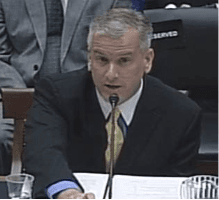 About the Author: James H. Sutton, Jr. is an Attorney and a licensed CPA with more than 25 years of experience representing businesses before the Florida Department of Revenue. He is a shareholder at the Law Offices of Moffa, Sutton, & Donnini, P.A., where he focuses exclusively on Florida sales and use tax controversy, including audit defense, informal and formal protests, and litigation before the Division of Administrative Hearings. Mr. Sutton has represented businesses in virtually every industry, including numerous marine industry businesses, boat dealers, and repair facilities. You can reach him directly at 813-775-2131 or JamesSutton@FloridaSalesTax.com
ADDITIONAL RESOURCES
FLORIDA SALES TAX VOLUNTARY DISCLOSURE: THE BEST WAY TO CLEAN UP A FLORIDA SALES TAX PROBLEM, published May 26, 2026, by James Sutton, CPA, Esq.
HOW TO PROTEST A FL SALES TAX AUDIT ASSESSMENT, published May 31, 2026, by James Sutton, CPA, Esq.
FLORIDA SALES TAX ATTORNEY NEAR ME, published January 27, 2026, by James Sutton, CPA, Esq.
HELP! – FLORIDA SALES TAX AUDIT, published January 26, 2026, by James Sutton, CPA, Esq.
FLORIDA SALES TAX PROTEST LAWYER, published January 14, 2026, by James Sutton, CPA, Esq. –
FLORIDA SALES TAX – IS LABOR TAXABLE?, published October 4, 2025, by James Sutton, CPA, Esq.
2025 FLORIDA SALES TAX – STORAGE AND PARKING, published October 4, 2025, by James Sutton, CPA, Esq.
FLORIDA SALES TAX AUDIT DEFENSE, published June 30, 2025, by James Sutton, CPA, Esq.
©Copyright 2026 James H. Sutton Jr., All Rights Reserved