
.2608261111221.png)
Florida's DR-123 Form Guide: For Car Dealers, Buyers, and Accountants
A Plain-English Guide to the Partial Sales Tax Exemption for Out-of-State Car Buyers Under Section 212.08(10), Florida Statutes
By: James H. Sutton, Jr., CPA, Esq.
Law Offices of Moffa, Sutton & Donnini, P.A. — Tampa, Fort Lauderdale, Tallahassee
813-775-2131 | JamesSutton@FloridaSalesTax.com | www.FloridaSalesTax.com
Synopsis: For the car dealer industry, the one question comes up more than almost any other: what exactly is the DR-123 form, and why does it matter so much? The good news is that Form DR-123 is not complicated once you understand what it does. It simply allows a Florida car dealer to potentially charge an out-of-state buyer a lower amount of Florida sales tax — matching the buyer's home state rate instead of Florida's rate — as long as everyone follows a few clear rules. This article walks through exactly how the form works, in plain language, for the three people who deal with it most: the car buyer, the car dealer, and the accountant reconciling the books. This also serves are a handy article for car buyers to give to a car dealer that might not understand the DR-123 – and person to call for answers.
I. What Form DR-123 Actually Does
Florida law allows a partial sales tax exemption when someone who lives in another state buys a car, truck, boat trailer, or other motor vehicle from a Florida dealer. Instead of charging Florida's full sales tax rate, the dealer is allowed to charge the sales tax rate of the buyer's home state — capped at Florida's 6% rate if the home state's rate happens to be higher. This exemption is authorized by section 212.08(10), Florida Statutes, and the paperwork that makes it official is Form DR-123, Affidavit for Partial Exemption of Motor Vehicle Sold for Licensing in Another State, which is incorporated into Florida's sales tax rules under Rule 12A-1.097, F.A.C.
Another way to think about it is that the DR-123 is a simple promise, made in writing at the time of sale: the buyer is telling the state, “I am not a Florida resident, and I intend to register this vehicle in my home state within 45 days.”
II. Why This Rule Exists
A way to understand why the DR-123 exists is that it is a compromise between car dealers and the Florida legislature. Car dealers did not want to lose a sale just because the from-another-state buyer didn’t want to pay Florida’s higher sales tax rate and Florida did not want to lose the tax revenue from the sale either. So, the DR-123 Form was created to allow the Florida dealer to get the sale and Florida to get the sales tax revenue, albeit at the buyer’s home state rate. Win win for everyone EXCEPT the buyer’s home state who is supposed to give the buyer credit for the sales tax paid to Florida.
III. For the Car Buyer: What You Need to Do
If you live outside Florida and are buying a vehicle from a Florida dealer, here is what the process looks like from your side:
- Tell the dealer at the time of sale that you are a resident of another state and intend to license the vehicle there.
- Complete Form DR-123 in full, including your name, home state address, and a sworn statement of your intent to license the vehicle in your home state within 45 days of the purchase date.
- If you buy the vehicle from a private individual rather than a licensed dealer, you can drive the vehicle straight to your home state to register and avoid the Florida tax all together.
One extra wrinkle applies if the buyer is a corporation or a partnership rather than an individual: the partial exemption generally requires the vehicle to actually be removed from Florida within 45 days and to stay outside Florida for at least 180 days, unless no Florida resident owns a significant interest in or holds an officer position with the company.
Paying Florida tax does not guarantee a credit back home. The Florida Department of Revenue's own guidance warns that a nonresident buyer may still owe tax or fees to their home state even after paying the reduced Florida rate. Arkansas, Mississippi, and West Virginia, are the prime 3 offending states that do not credit their residents for sales tax already paid to Florida, meaning a buyer from one of those states could effectively pay twice. Before signing the DR-123, it is worth a quick call to the home state's own taxing authority to confirm how that state treats tax already paid to Florida.
IV. For the Car Dealer: Getting It Right at the Point of Sale
For dealers, the DR-123 process is straightforward as long as it happens at the right time and in the right order:
- The form must be completed in full at the time of the sale — not filled in later, and not left partially blank to finish afterward.
- The dealer needs to know the sales tax rate of the buyer's home state to calculate the correct amount to collect. The Department of Revenue publishes an annually updated Tax Information Publication listing sales tax rates by state specifically to help dealers with this calculation — the current version is TIP 26A01-01, Motor Vehicle Sales Tax Rates by State (issued February 11, 2026), and it should be the dealer's go-to reference every time a DR-123 sale comes across the desk.
- The tax actually collected still belongs to Florida and must be reported and remitted to the Florida Department of Revenue on the dealer's regular sales tax return, just like any other taxable sale.
- It’s important to note that states such as Georgia and Montana have ZERO sales tax rate on vehicles. So an out of state buyer from one of these states can sign the DR-123 and pay no Florida sales tax on the purchase.
A completed, signed DR-123 kept in the deal file is what allows the dealer to support the lower tax amount collected on that sale. It is simply good practice to keep these forms organized and complete, the same way a dealer keeps any other exemption certificate on file.
Remember the 6% ceiling — it works in both directions. TIP 26A01-01 illustrates this with two examples on a $50,000 vehicle sold with a $17,000 trade-in allowance (a $33,000 taxable sales price). Sell to an Alabama resident, whose home state charges 2%, and a properly completed DR-123 drops the Florida tax due to $660 instead of the $1,980 that a straight 6% sale would generate. Sell to a Tennessee resident, whose home state charges 7%, and the dealer still collects the full 6% — $1,980 — because the exemption only ever lowers the rate to match a home state that charges less than Florida, never raises it to match a home state that charges more.
One last thing a car dealer should know: If the dealer ships the vehicle to the buyer out of Florida, then the shipping documents are what is required to exempt the vehicle from Florida sales tax. No DR-123 form is necessary and no Florida sales tax should be collected. Knowns what exemption applies is important. Customer picks up the vehicle in Florida, then the DR-123 Form is used. Dealer ships the car to the customer, then the shipping documents exempt the entire sale.
V. For the Accountant or CPA: What to Watch For
For the bookkeeper or accountant reconciling a dealership's sales tax collected against what was remitted, a few things are worth checking periodically:
- Confirm that your client understand the DR-123 and when it should and should not be used.
- Confirm that every DR-123 is in the deal jacket and is fully completed, signed, and dated the same day as the sale.
- Confirm the tax rate used on each nonresident sale matches the buyer's home state rate for that year, since these rates can change annually and the Department updates its published rate table from time to time.
- Make sure the reduced tax amount collected on these sales is being reported and remitted to FLORIDA — the exemption reduces the rate charged, not the dealer's obligation to remit whatever was actually collected.
Building a quarterly or at least annual review of DR-123 sales into the dealership's normal bookkeeping routine is an easy way to keep this exemption running smoothly, and it gives the dealership clean, organized documentation if the Department of Revenue ever asks to see it.
VI. Frequently Asked Questions
What is Form DR-123 used for?
It documents a nonresident buyer's intent to license a Florida-purchased motor vehicle in their home state, which allows the Florida dealer to charge Florida sales tax at the buyer's home state rate instead of Florida's full rate.
Does the vehicle have to leave Florida right away?
No. As long as an individual buyer licenses the vehicle in their home state within 45 days of purchase, there is no requirement to physically remove the vehicle from Florida during that period.
Who fills out the DR-123 if the sale is between two private individuals?
The buyer completes it with the county tax collector's office or a private tag agency when applying for a temporary tag, rather than with the seller.
Is the reduced tax collected under DR-123 paid to the buyer's home state?
No. Even though the rate is based on the buyer's home state, the tax collected is Florida tax and is remitted to the Florida Department of Revenue.
What happens if the DR-123 is not fully completed at the time of sale?
The Department of Revenue generally will not honor the partial exemption without a fully completed, signed form dated at the time of sale, so it is worth double-checking every field is filled in before the deal is finalized.
Does a business buyer follow the same 45-day rule as an individual?
Not exactly. Corporate and partnership purchasers generally must remove the vehicle from Florida within 45 days and keep it outside Florida for at least 180 days, unless no Florida resident holds a significant ownership interest or officer role in the company.
Where can a dealer find the current sales tax rate for a specific state?
The Department of Revenue publishes an updated rate chart each year in TIP 26A01-01, Motor Vehicle Sales Tax Rates by State, which lists every state's rate, whether Florida allows a credit for tax paid there, and whether that state offers an occasional-or-isolated-sale exemption.
About the Author
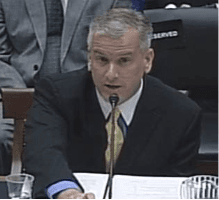 James H. Sutton, Jr., CPA, Esq. is a State and Local Tax (SALT) attorney and CPA who practices almost exclusively in Florida sales and use tax controversy. James is a Shareholder at the Law Offices of Moffa, Sutton & Donnini, P.A. and has been a licensed Certified Public Accountant since 1994 and a member of The Florida Bar since 1998. Since 2002, Mr. Sutton has served as an Adjunct Professor of Law at Stetson University College of Law, teaching State and Local Tax, and also taught Sales and Use Tax at Boston University School of Law's LLM in Taxation program. If you have any questions, then Mr. Sutton has a FREE INITIAL CONSULTATION policy. He can be reached directly at 813-775-2131 or JamesSutton@FloridaSalesTax.com.
About the Firm
The Law Offices of Moffa, Sutton & Donnini, P.A. is a Florida law firm that practices almost exclusively in the area of Florida state and local tax (SALT) controversy, with offices in Tampa, Fort Lauderdale, and Tallahassee. Collectively, the firm's attorneys bring over 200 years of combined experience handling Florida sales tax audits, criminal investigations, protests, and litigation. Learn more at www.FloridaSalesTax.com.
Additional Resources
- Florida Sales Tax Audit Help — June 20, 2026, by James H. Sutton, Jr., CPA, Esq.
- Florida Sales Tax Criminal Investigations: When Sales Tax Experience Matters — June 2026, by James H. Sutton, Jr., CPA, Esq.
- FLORIDA SALES TAX ARREST – HOLLYWOOD USED CAR DEALER — August 24, 2026, by James H. Sutton, Jr., CPA, Esq.
- Florida Sales Tax for Nonresident Car Purchases — August 2020, by David J. Brennan, Jr., Esq.
- Florida Sales Tax Voluntary Disclosure: The Best Way to Clean Up a Florida Sales Tax Problem — May 26, 2026, by James H. Sutton, Jr., CPA, Esq.
© Copyright 2026. James H Sutton, Jr. All rights reserved.