
[1].2608250654138.png)
Florida Sales Tax Limited Scope Audits: Why a “Minor” DR-846 Notice Deserves Your Full Attention
A Limited Scope Audit Almost Always Starts With One Specific Issue — Like a Shipment Crossing Into Florida — But It Regularly Grows Into a Full Sales Tax Audit of Everything the Business Buys and Sells
By: James H. Sutton, Jr., CPA, Esq.
Law Offices of Moffa, Sutton & Donnini, P.A. — Tampa, Fort Lauderdale, Tallahassee
813-775-2131 | JamesSutton@FloridaSalesTax.com | www.FloridaSalesTax.com
Synopsis: I should know because our law firm has defended Florida businesses against the Department of Revenue since 1991, and one of the most dangerous misconceptions I still run into is the business owner who opens a “Notice of Intent to Conduct a Limited Scope Audit” and breathes a sigh of relief because the word “limited” is right there in the title. A limited scope audit is genuinely reserved for one specific issue — often an out-of-state shipment, an imported piece of equipment, or a commercial lease — but in my experience, the Department of Revenue treats that one issue as a door, not small window. This article explains what a limited scope audit actually is, the handful of issues that typically trigger one, how these audits routinely expand into full-blown reviews of everything a business buys and sells, and what business owners and their advisors need to do from day one to keep a narrow inquiry from turning into a six-figure or seven-figure assessment.
I. The Notice That Looks Smaller Than It Is
Florida sales and use tax audits generally begin with one of two notices. The first is Form DR-840, the “Notice of Intent to Audit Books and Records,” which most practitioners refer to simply as a full audit. The second is Form DR-846, the “Notice of Intent to Conduct a Limited Scope Audit or Self-Audit.” Historically, the DR-846 was issued out of the Department's main office in Tallahassee, rather than a local field office, and it was reserved for a single, specific issue — not a comprehensive review of the business. Because the notice literally says “limited scope” across the top, plenty of business owners open it, see the word “limited,” and assume the exposure is limited too. That assumption is exactly what gets businesses in trouble.
II. What a Limited Scope Audit Actually Is
A limited scope audit, sometimes called a “desk audit” because it is often handled entirely by mail or electronically without an auditor ever visiting the business, is designed around a single transaction type or a single recurring issue. Rather than pulling every sale, every purchase, and every exemption certificate for a three-year period, the Department identifies one category of activity it believes is worth examining and sends a notice asking for records related to that category alone.
The Department's authority to conduct this kind of examination comes from section 212.13, Florida Statutes, which authorizes the Department to examine the books and records of dealers, wholesalers, and transportation companies, and requires the Department to provide written notice at least 60 days before an auditor is scheduled to begin the audit. That 60-day notice period applies to a DR-846 exactly as it does to a DR-840, and it exists to give the business time to gather records and, ideally, retain qualified representation before the audit actually begins.
III. What Actually Triggers a Limited Scope Audit
A shipment crossing into Florida is one of the most common triggers. Section 212.13(1), Florida Statutes, specifically authorizes the Department to examine the books and records of transportation companies — trucking lines, rail carriers, ocean freight, and air cargo carriers — to identify dealers who are importing or otherwise shipping tangible personal property into Florida. When the Department cross-references a carrier's shipping records against its own registration and tax return data and finds a business that received goods into the state without either a sales tax registration or a matching use tax payment, a DR-846 aimed squarely at those shipments is often the result. This is precisely the kind of narrow, data-driven lead that limited scope audits were built for.
Other common single-issue triggers include a specific piece of equipment or vessel brought in from out of state, a particular exemption certificate the Department wants to test, or a pattern the Department has flagged industry-wide, such as untaxed purchases by a particular category of business. In every case, the notice is built around one identifiable issue — not a general audit of the business.
A common trigger for a limited scope audit is imported goods reported through customs because the Department gets a copy of imported goods from customs. We’ve had quite a few audits of people that imported a specific type of good personally, such as expensive watches, that didn’t realize they needed to be registered for sales and use tax. By the time they get the audit notice, they have imported millions of dollars of the good for years, without clear documentation to defend an audit for all those years. It is always messy and a long fight.
A mix up I often see that triggers a limited scope audit is when the shipping label has the name of the owner of the company instead of the name of the company. So, when the Department looks to see whether the buyer is registered for sales and use tax, there is no registration. Such a simple mistake can turn into a full blown audit of the whole company.
IV. How a “Limited” Audit Regularly Becomes a Full Audit
Never assume the scope stated on the notice is the scope the auditor will actually pursue. In recent years, the Department has increasingly used the DR-846 in a far more expansive way than its name suggests, and in many cases attempted to use it as a substitute for a full DR-840 audit altogether. In such a case, the auditor will use a limited scope notice to demand the same volume of records a full audit would require.
The mechanism by which this happens is fairly predictable. An auditor opens a limited scope inquiry into, say, out-of-state equipment purchases. To verify those purchases, the auditor requests the general ledger, the fixed asset schedule, or the accounts payable detail for the audit period. Once those records are in the auditor's hands, they inevitably reveal other transactions — vendor purchases that look undertaxed, an exemption certificate that looks stale, a pattern of cash sales that does not reconcile to reported revenue. At that point, many auditors simply expand the inquiry, treating the limited scope audit as a stepping stone into a full review of the business's sales, purchases, and exemption documentation across the entire audit period.
This is not a hypothetical risk — it is a documented pattern. Because Florida sales tax is a trust fund tax with no statutory cap on liability and no bankruptcy discharge, a limited scope audit that quietly becomes a full audit can turn what looked like a narrow, small dollar exposure on one shipment into a much larger assessment covering years of purchases, sales, and exemption certificates the business never expected to have reviewed.
V. Your Rights During the Audit
Business owners and their advisors are not without leverage here. A few statutory and practical protections matter most:
- The 60-day notice period is not a suggestion. Section 212.13(5)(a), Florida Statutes, requires written notice at least 60 days before fieldwork can begin, and that window should be used to prepare — not waived. Auditors sometimes request information or an interview before the 60 days have run and later characterize whatever was provided as “voluntary,” so businesses should be cautious about engaging substantively before the notice period has expired.
- Scope can be pushed back on. If a document request goes beyond the single issue identified on the DR-846, it is fair to ask the auditor to explain how that request relates to the stated scope of the audit. If a record is not actually needed to resolve the specific issue on the notice, it is reasonable to say so.
- The statute of limitations still applies. The Department is generally limited to a three-year lookback period, extended to five years where fraud or an intentional act to evade the tax is alleged, and indefinitely where a business never registered at all.
VI. Practical Guidance for Business Owners and Advisors
Treat a DR-846 exactly as seriously as a DR-840 from the moment it arrives. The word “limited” on the notice describes the Department's stated starting point, not a ceiling on where the audit can go. Waiting to get organized, waiting to get an accountant or attorney involved, or assuming the issue is too small to matter are the three most common mistakes I see.
Read the notice carefully and identify exactly what issue is stated. If the notice gives any specifics, then before producing a single document, business owners and their advisors should pin down precisely what transaction type or issue the notice claims to be examining. Try to not provide anything outside the scope of what is specifically targeted by the notice, if the notice has specifics.
Does the notice ask for everything you purchased without tax? If the notice asks you for anything you purchased over the last 3 years, which it often does, then I recommend NOT baring your soul to the auditor. Think through what might have triggered the audit. Fall on the sword for that one item only. Then let the auditor tell you if they have anything else. This is a strategy I’ve used for years to stop all full blown fishing expedition that gets a taxpayer to reveal everything that might have been taxable over the last 3 years.
Control what gets produced, and in what order. Providing broad, unfiltered access to a general ledger or full accounting system in response to a single-issue inquiry is how a limited scope audit turns into a full audit. Records should be organized and produced in a way that answers the specific question the Department asked — not more, and not less.
Get experienced sales tax counsel or a qualified CPA involved early, not after the scope has already expanded. By the time an auditor has already reviewed the general ledger and identified three or four new issues, the leverage to keep the audit narrow is largely gone. The best opportunity to keep a limited scope audit limited is in the first 60 days, before fieldwork begins.
VII. Frequently Asked Questions
What is the difference between a DR-840 and a DR-846 audit notice?
Form DR-840, the Notice of Intent to Audit Books and Records, is a full audit covering the business's sales, purchases, and exemption documentation broadly. Form DR-846, the Notice of Intent to Conduct a Limited Scope Audit or Self-Audit, is intended to examine one specific issue or transaction type, such as a shipment from out-of-state.
Can a limited scope audit really turn into a full audit?
Yes. Once an auditor reviews the records produced for the stated issue, it is common for the Department to identify additional concerns and expand the document requests into a broader review of the business's sales and purchases, even though the original notice described a narrow scope.
What usually triggers a Florida limited scope audit?
The most common triggers are shipments of tangible personal property into Florida identified through transportation company records, import records, specific out-of-state or imported equipment purchases, and targeted exemption certificate reviews.
How much notice does the Department have to give before starting the audit?
At least 60 days, under section 212.13(5)(a), Florida Statutes. That notice period applies to both DR-840 and DR-846 notices and should generally not be waived.
How far back can the Department of Revenue go in a limited scope audit?
Generally three years, extended to five years if the Department alleges fraud or an intentional act to evade the tax, and with no limitation period at all for a business that never registered as a dealer.
I don’t have a business. Why am I being audited?
Individuals without a business are often the target of limited scope audits. One item imported through customs or that big furniture purchase from out of state that didn’t get taxed. You mostly likely do owe use tax on these items. The Department of Revenue has gotten very good at tracking down individuals who are not complying with use tax responsibilities.
Should a business get legal representation for a limited scope audit even though it only covers one issue?
Yes. Because limited scope audits frequently expand into full audits once records are produced, the protections available in the first 60 days — before fieldwork begins — are usually the most effective opportunity to keep the audit's scope narrow. At a minimum, take advantage of our free initial consultation policy to ask questions and get better informed about what to expect and how to best keep the audit from expanding into something more serious.
About the Author
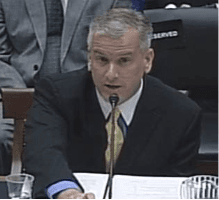 James H. Sutton, Jr., CPA, Esq. is a State and Local Tax (SALT) attorney whose practice area is almost exclusively in Florida sales and use tax controversy. James is a Shareholder at the Law Offices of Moffa, Sutton & Donnini, P.A. and he has been a licensed Certified Public Accountant since 1994 and a member of The Florida Bar since 1998. Since 2002, Mr. Sutton has served as an Adjunct Professor of Law at Stetson University College of Law, teaching State and Local Tax, and also teaches Sales and Use Tax at Boston University School of Law's LLM in Taxation program. If you have any questions, then Mr. Sutton has a FREE INITIAL CONSULTATION policy. He can be reached directly at 813-775-2131 or JamesSutton@FloridaSalesTax.com.
About the Firm
The Law Offices of Moffa, Sutton & Donnini, P.A. is a Florida law firm that practices almost exclusively in the area of Florida state and local tax (SALT) controversy, with offices in Tampa, Fort Lauderdale, and Tallahassee. Collectively, the firm's attorneys bring over 200 years of combined experience handling Florida sales tax audits, protests, and litigation. Learn more at www.FloridaSalesTax.com.
Additional Resources
- Florida Sales Tax Audit Help — June 20, 2026, by James H. Sutton, Jr., CPA, Esq.
- Florida Sales Tax Criminal Investigations: When Sales Tax Experience Matters — June 2026, by James H. Sutton, Jr., CPA, Esq.
- Florida Sales Tax on Montana-Registered Cars and RVs — August 12, 2026, by James H. Sutton, Jr., CPA, Esq.
- Florida Sales Tax Audits of Medical Spas — August 12, 2026, by James H. Sutton, Jr., CPA, Esq.
- Florida Sales Tax Audits of Convenience Stores — July 2026, by James H. Sutton, Jr., CPA, Esq.
- Florida Sales Tax Voluntary Disclosure: The Best Way to Clean Up a Florida Sales Tax Problem — May 26, 2026, by James H. Sutton, Jr., CPA, Esq.
© Copyright 2026. James H Sutton, Jr. All rights reserved.